ENDINGS
Farms, towns and forts
Anglo-Saxon settlements often end in -ham, -tun or -ton, fortified places in -burh, -borough or -bury, and Viking ones in -by or -thorpe.
Decode an ending doodleplace
00WHAT THE NAMES SAY
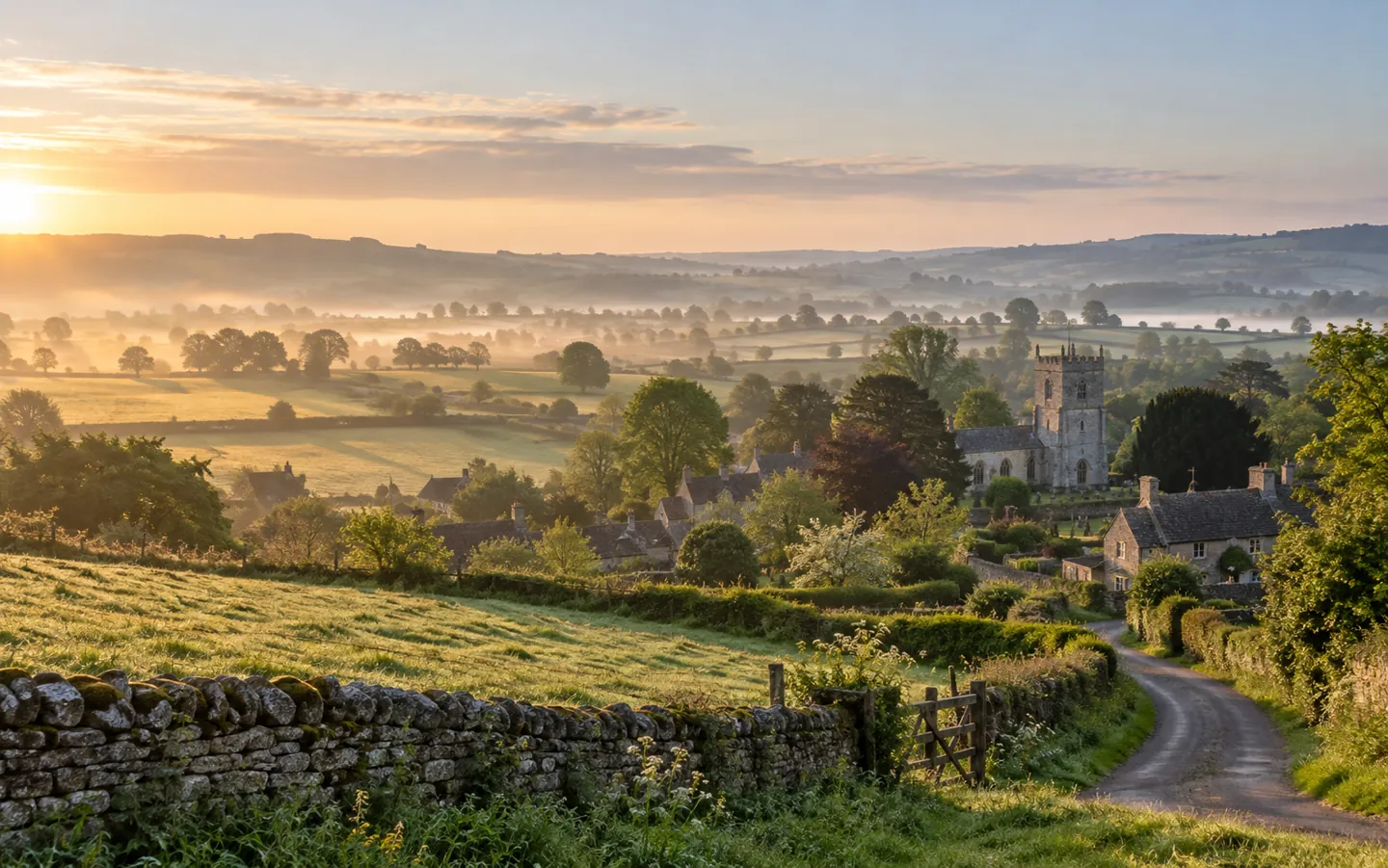
Many British place names simply describe something.
A farm, a fort, a clearing, a brook or a church. Romans, Anglo-Saxons, Vikings and Welsh speakers all left words behind, and with a few endings you can start to read the map.
Decode an ending01Principles
02THE SHORT ANSWER
Many names join two parts: a description and a place word.
The ending often tells you who named it.
ENDINGS
Anglo-Saxon settlements often end in -ham, -tun or -ton, fortified places in -burh, -borough or -bury, and Viking ones in -by or -thorpe.
Decode an endingLANDSCAPE
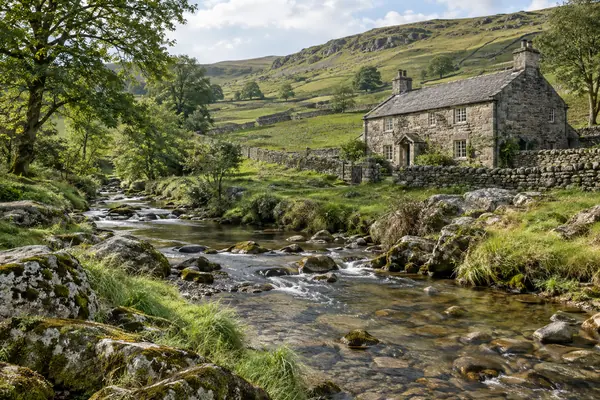
Many names describe the land. Fulbrook in Oxfordshire comes from Old English for a foul or dirty brook, and -ley meant a clearing.
How names changeWALES
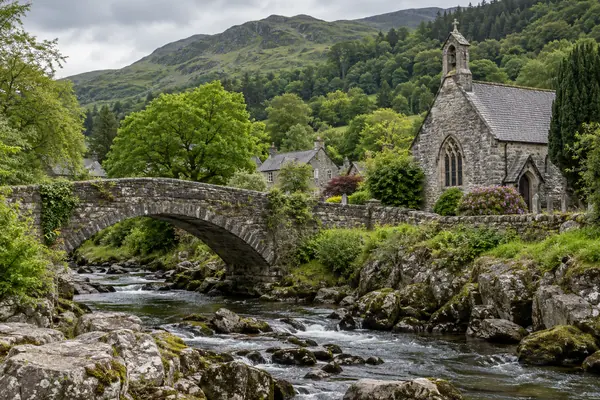
In Welsh names, aber means an estuary or confluence, llan a church or monastery and pont a bridge, as in Aberystwyth and Llandudno.
Try it on a map03A QUICK NAME CHECK
Pick a common place-name part to see where it comes from and what it meant. The bar shows roughly how far back that layer of names reaches.
Meanings are general guides. The OS warns that only a name's earliest recorded spellings can confirm what it really means.
04TWO DATES WORTH KNOWING
One date when many names were first recorded,
one when their spellings finally settled.
1086
The first large-scale survey of England
The Domesday Book was probably the first time many place names were officially written down. French-speaking surveyors simplified tricky names into forms easier for them to say.
DOMESDAY · NOTTS HER
1840s
When place-name spellings were standardised
Spellings kept varying for centuries, with several versions in use at once. They only became standardised with the first Ordnance Surveys in the 1840s.
SPELLING · NOTTS HER
Edwinstowe shows how much spelling drifted: Edenestou in 1086, then Hedenestoua (1173), Eddenstowe (1287), Edenstow (1577) and Eddingstowe (1633).
05FOUR STEPS TO DECODE A NAME
You can start with any local map. These steps follow how place-name researchers work.
Many names have two parts: a first part such as a person, animal or feature, and an ending for the kind of place.
Check it against the common endings: -ton, -ham, -bury, -by, -thorpe, -ley, or Welsh aber, llan and tref.
Is there a brook, a hill, a clearing or a valley nearby? Names that describe the landscape can still fit the ground.
Today's spelling can mislead. Swansea, the OS notes, has nothing to do with swans or the sea.
06NAMES ARE NOT SET IN STONE
Over centuries, speech, copying and the urge to make an odd name sound familiar have changed many names. The Ordnance Survey warns that many are not what they seem, and only the earliest documents reveal the original meaning.
Names can still change today. In Nottinghamshire, Clipestune in Domesday became King's Clipstone in 1290, later plain Clipstone and Old Clipstone, until in 2011 the community chose to bring back the medieval name Kings Clipstone.
07Questions
It comes from the Viking settlers of the 9th and 10th centuries and is usually explained as a farm, town or village, as in Walesby and Linby.
It comes from Old English tun, a farmstead or settlement, used by the Anglo-Saxons. Ollerton, for example, means farm of the alders.
It comes from the Latin castra, a Roman town or fort. The ending -caster comes from the same root.
Aber means an estuary, confluence or stream, as in Aberystwyth. Llan means a church or monastery, as in Llandudno and Llanelli.
Spellings varied for centuries. According to the Nottinghamshire Historic Environment Record, they only became standardised with the first Ordnance Surveys in the 1840s.
08Sources
ABOUT THIS NAME
doodleplace.com is part of the DoodleSale portfolio. It isn't in an auction right now, but you can ask about leasing it.